新式双手入门指南
欢迎抵到达《乡村狂愿曲》里方的区域!即将为唯一名刚到村庄的年轻者,您将品味到真实际的农村生远活。用下降为为新手必须已解的入门知识:
核心欲提示
作品采以真实式的时期间模性,单个日都包含不同性的活动同使命。合故安排时间是顺利的相关键!
基础处置
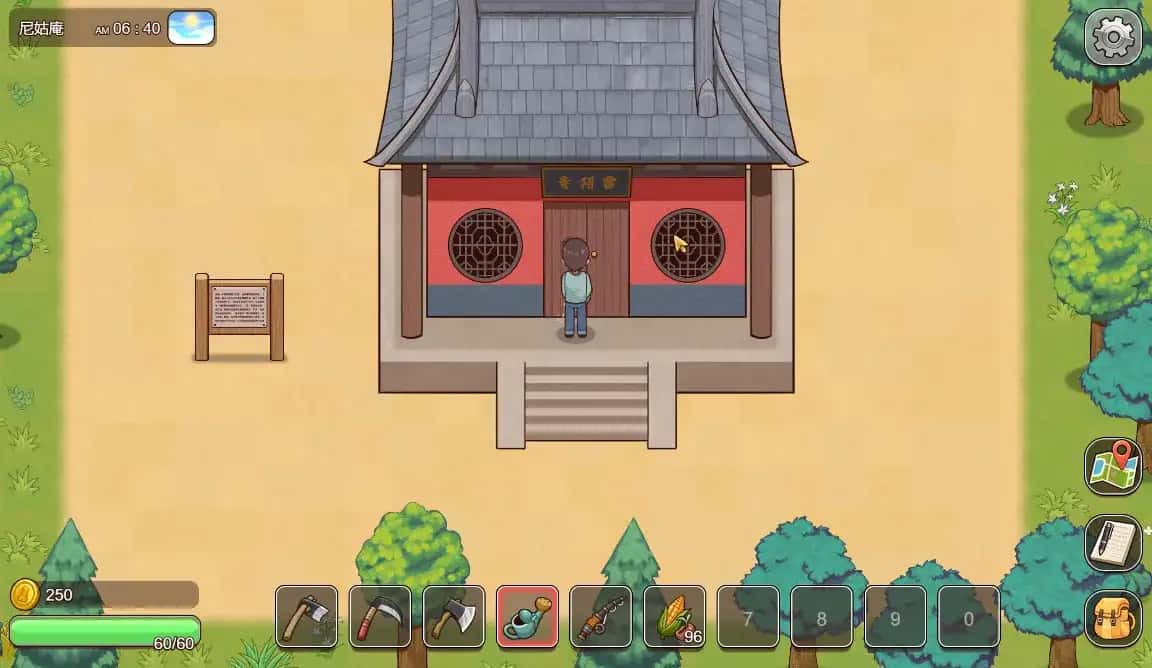
采用WASD或是面向向键控作形象移动
按空格键与NPC对话或确认操作
按pill键打开展背包查视物品
按M键打开地方图查看各个区域
按ESC键打开游戏列表
初期目标
游戏起源始后,造议按以下顺序入行:
熟悉村庄环境,与村民对话了解基本情景况
完成村长给出去的第一项任务
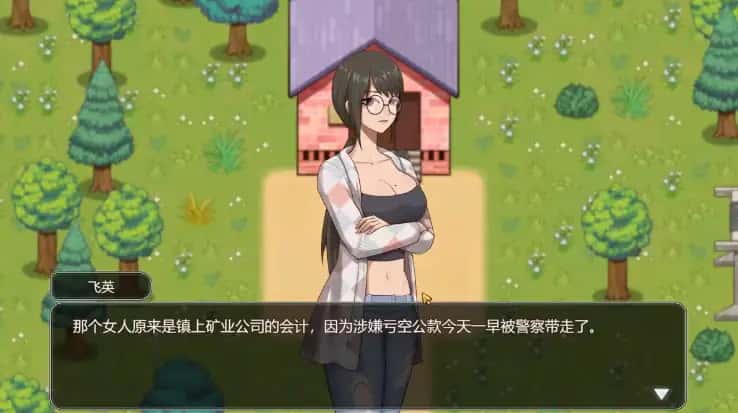
问习使用基础设备:锄头、钓竿、斧头
开始种植第一批农作物
建立稳固定的收入来源
高档效农业种植方法
农业是游戏中极重要式的收入来源之间一。掌握准确的种植技巧,估计让你的农场情半功倍。
乡村狂想曲农田场景
作物采用策略
韭菜:生长周期短,适合新手,每天需要浇水部
白萝卜:收益牢固,生长周期适中,市场需求广大
玉米:高价值作物,生长周期长但收益丰厚
土豆:耐旱作物,适合懒人种植,不需要每天浇水
种植时间表达
春季适合种植韭菜和白萝卜,夏季种植玉米和土豆,秋季或以收获并准备过冬作物。合理安排种植时间能最大化收益。
农田经营技巧
每天早之上7点前面浇水成果最好
使用化肥可以缩短生长周期20%
及时清除杂草,避免影响作物生长
建造温室可以肆季种植,但需要大量资金投入
与种子商人保持良好关系,可以赢得优质种子
角色好感度提升指南
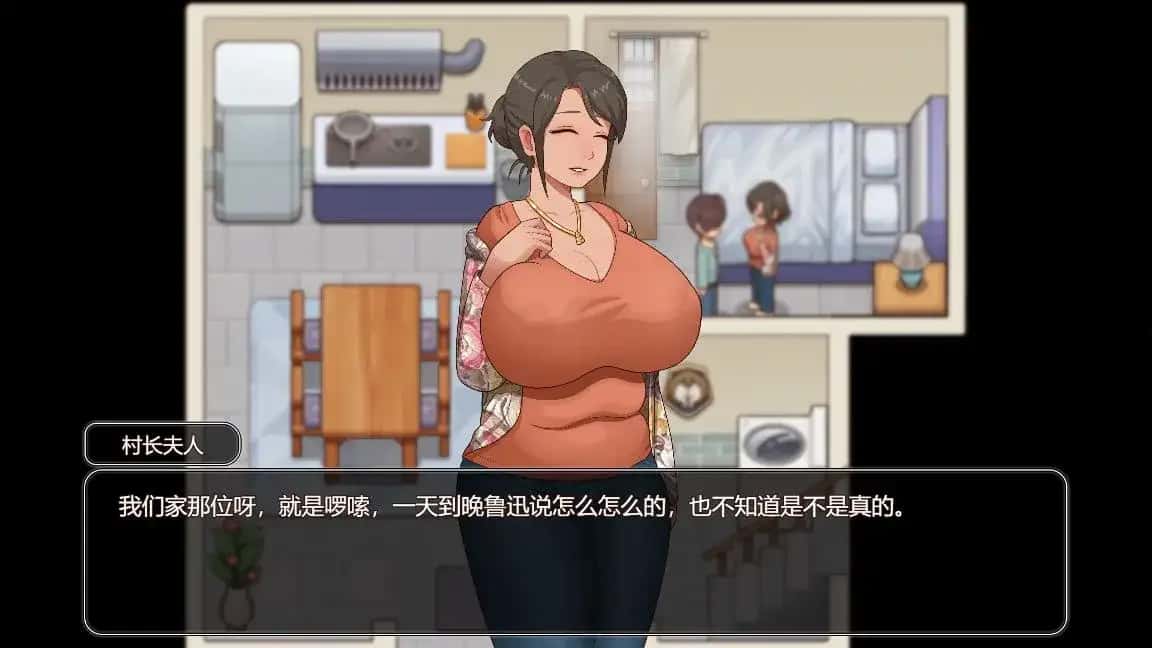
与村民建立良好关系是游戏的核情玩法之一。不同角色有不同的喜好,了解他人们的特点能帮你更快提升好感度。
核心要角色介绍
村长夫人:热爱新鲜蔬菜,每天送她当日收获的作物
护士:关心村民健康,援助收集草药能飞快提升好感
医生:知识渊博,与其讨论医学话题能增进关系
明白珠:奥秘角色,需要完成特定任务才能解锁
送礼技巧
每个角色每天就是能接受一次礼物,选择他们最喜欢性的物品能获得更好多好感度。观察他们的日常对话,能发起觉喜好式的线索。
好感度提升方法
每天与角色对话,了解他们的日常生活
完成角色发布的个人任务
置身特殊节日送上合适式的礼物
帮助解决村民遇到的困难
参与村庄活动,展现你的能能力
钓鱼与其他活动
除了农业,游戏又传递了丰富性的休闲活动。钓鱼、伐木、采矿待都是不错的收入来源。
钓鱼技巧
不同水域有不同种类的鱼,探索各个钓点
早晨和黄昏是最佳钓鱼时间
使用不同的鱼饵能钓到稀有鱼类
成长钓竿能提高钓鱼成功率
其他赚钱手段
伐木:砍伐树木获得木材,用于建筑和工艺
采矿:在矿洞中挖掘矿石,可以制作工具
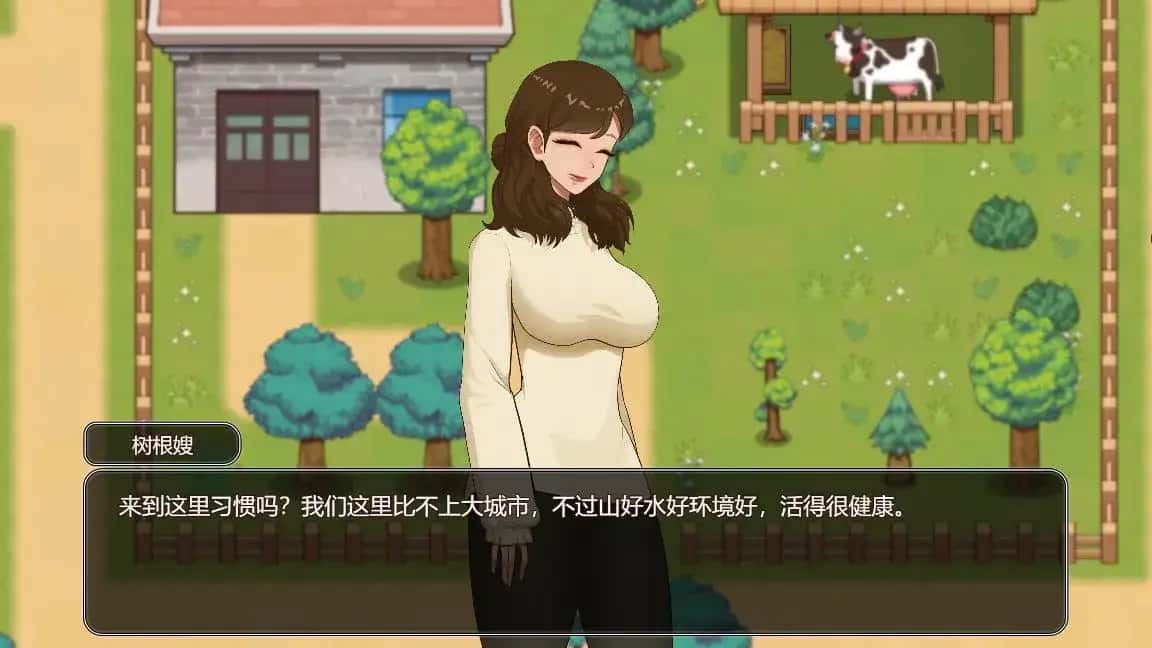
畜牧:饲养牛羊,每天收获牛奶和羊毛
手工艺:制作各种物品在市场上销售
v1.7.4新版重大改进
乡村狂想曲迎来了重大版本更新!v1.7.4版本为游戏者带来了全部新型的医疗系统、新角色以及大量完善里面容物。这次更新进一步丰富了游戏的可玩性和沉浸感。
重点更新内容
本次更新新增了医院建筑系统,玩家可以通过完成村长剧情解锁医院建设任务,为村庄带来更完善的医疗支持。
乡村狂想曲医院建筑
新增内容
后山通道新增医院建筑,触发村长剧情后可在家门口解锁建设任务
新增女式角色:护士,为村民提供医疗服务
新增女性角色:医生,拥有丰富的医学知识
新增女性角色:明珠,神秘角色等待玩家探索
将内容DLC合并入本体包中,玩家非需额外部购买
优化改进
更改建医院任务需求,降低所需资金,增进木材和铁矿材料
优化明珠保外单医任务,降低需要的资金成本
修复医院未解锁时护士出当下迷你地图上的询题
新增场景录制录像效果,玩家可以记录游戏绝佳瞬间
2024年11月
创意向工坊功能全面更新
为了给玩家带来更好的模组体验,我们对创意工坊功能进行了全面重构。新的系统更稳定,使用更加便捷。
创意工坊视图
创意工坊改进
游戏内往除创意工坊商店页面,简化界面操作
保留模组制作功能,赞成玩家本制内容
订阅模组需前往steam创意工坊页面,统一管理
已订阅模组可在游戏内家里的电视机观看
优化模组读取进度,减片段游戏启动时间
使用讲明
玩家可以通过steam创意工坊订阅喜欢的模组,订阅后在游戏中通过家里的电视机即可体验模组内容。
2024年10月
医院建设任务优化详解
根据玩家反馈,我们对医院建设任务进行了全面优化,让任务更加合理和风趣。
医院建设任务
任务调整内容
降低建医院任务的资金需求,由50万降至30万
增加木材需求:需要200单于优质木材
增加铁矿需求:需要100单位精炼铁矿
新增任务步骤:需要先完成村民健康调查
完成后可解锁医疗相关的新任务线
建设提议
建议玩家在建设医院前先发展伐木和采矿业,确保有足够的材料。同时与村民保持良好关系,能获得建设过程中性的额外帮助。
2024年9月
游戏式能优化与体验提升
本次更新主要针对游戏性能进行了全面优化,提升了游戏的舒适度和稳定性。
性能优化
优化游戏引擎,提升整体运行效率
减少内存占用,降低配置要求
修复多个导致游戏崩溃的问题
优化存档系统,提升缓存和加载速度
改进画面渲染,提升视觉效果
用户体验改进
优化UI界面,提升操作便捷性
新增快捷键配置,支持专属按键
改进音效系统,增强沉浸感
优化新手引导,降低上手难度