🔋 游戏特色
丰富玩法
多样化的游戏模式和玩法设计
精美画面
精心打磨的游戏画面与视觉效果
社区互动
活跃的玩家社区与及时的游戏更新
🔔 游戏说明

🛠️ 游戏指南
凤凰Phoenix式手块入门针对法
欢迎前方来至凤凰城!搞为3名刚踏入这个魔法与科技并存场所其中性的新手,本攻略将为您细致介绍娱乐的根本管理、界演面功或许同初期发出展策略,援助你飞快融入这个充满魅能的3D魔幻世界。
游戏基础操作
移动与交互:身处凤凰Phoenix中,你许按照通过点击屏幕来控订英雄移动。长远按屏幕可以让角色持续朝指确方向移动,这在探索广大型场景际异常在采用。就在靠近可交互的物体也许角色时,屏幕以上能够本现相应的交互控件。
视角控制:游戏维护360度视角旋转,你可以通过滑动屏幕来调整观察角度。双指缩放可以调整视距,让你更好之内部欣赏游戏的精美画面或观察细节。
凤凰Phoenix游戏页面操作示例
界面作用详解
导界面布局:游戏主界面采用干净的设计风格,左上角显示角色头像和基本信息,右上角称为选项和目录按钮。屏幕底部是快捷操作栏,包含背包、工作、地图等级常用功能。
对话环境:与角色对话时,屏幕面方会出现对话框。你可以通过点击不同式的选项来影响剧况发展和角色键系。每个个采用都可能带来不同的后果,所以需要仔细考虑。
背包管原因:背包系统支持物品分类类显示,你可以随思找到需要的道具。长按物品可以查查看详细信息,一些物品可以直接应用或赠送给角色。
初期发展策略
优先搞定主线任务:主线任务不仅能推进行剧情发展,仍能收获丰厚的经验和福利。建构议新手试炼者优先完就主线任务,这子可以快速毕解游戏世界观和基本玩法。
合理分配时间:游戏采用时间系统,不同时段可以进行不同的活动。白天日适合探索和完成任务,晚上则是与角色互动的好时机。合理安排时间能让你的游戏感受益发丰富。
凤凰Phoenix任务系统界面
角色互动技巧
了解角色喜好:每子女主角都拥有自己独特式的性格和喜好。通过观察她们的反应和对话,你可以逐渐了解如如与她们更好地互动。送礼物是提升好感度的有效方法,但要选择合适性的礼物。
对话选择策略:在对话中,不同的选择会影响角色对你的看法。一般来道,诚实、关精神和幽默的归答更容易获得好感。但同要根据不同角色的性格来调整策略。
重点要提示
定期缓存游戏进度,避免意外边丢失
注意观察环境细节,可能隐藏着首要线索
不要急于推进剧情,众多花时间探索和互动
合理使用游戏内的提示系统
遇到困难时可以查看游戏内的帮助文档
掌握了这些基础知识后,你恰是可以发起源在凤凰城中展展自己的过程之旅了。记住,这是某个充满选择和可能化的世界,每一个决定都可能带来不同的结果。祝你在凤凰Phoenix的世界中玩得愉快!
凤凰Phoenix角色好感度攻略
在凤凰Phoenix的世界中,与13位性格迥异的女主角建立深厚关系是游戏的核心玩法之一。每位角色都有独特的背景剧情、性格特点和喜好,掌握对的的互动方式是解锁专属剧情和达成完美结局的关键。

好感度系统机制
好感度等级:每位角色的好感度分为多个等级,从此初识到深度信任,每个等级都会解锁新性的对话选项和剧情组成。好感度的提升需要通过日常互动、完成专属任务和赠送合适的礼物来实现。
集体协调度:V14迭代版新增的团队协调度机制让角色关系更增加麻烦好玩。某些角色之间存在特殊性的互动关系,你需要巧妙平衡不同角色的感情,避免产产生冲突。
凤凰Phoenix角色互动界面
科技系角色攻略
机械稀少女凯希:作为科技区的核心角色,凯希对机械和科习有着极大的热情。与她互动时,选择与科技相关的话题能快速提升好感度。她的"情感觉醒"任务需要完成特定的科技支线,推荐优先探索科技区域。
互动技巧:凯希痴迷理式和逻辑性强的对话,避免过于感性的表达。在对话中展现你对科技的理解和兴趣,会让她对你刮目相看。赠送崇高科技道具或稀有材料是提升好感度的有效方式。
魔法系角色攻略
魔法师艾妮妲:艾妮妲的剧情线依赖于魔法学院的探索进度。她性格神奇还优雅,喜欢有深度的哲学讨论。与她互动时,选择富有诗意和哲理的回答能获得更好型的结果。


专属任务:艾妮妲的专属任务通常与古陈的魔法知识和神秘仪式相关。完成这些任务不仅能提升好感度,还能解锁没敌的魔法技巧和用具。
凤凰Phoenix魔法角色场景
反派系角色攻略
神秘反派索琳:索琳是游戏中无与伦比复杂式的角色之一,她在V14版本中将获得整个面的角色发展。与她的互动需要更多的策略和耐心。她喜欢有挑战性的对话和大胆的选择。
特殊机制:索琳的好感度提升方式与其她角色不同,她更看重你的行动而非言语。在关键剧情点搞出符合她价值观的选择,能快速拉近与她的关系。
新增角色莫莉
重要伙伴莫莉:V14版本中,莫莉将成为你的重要伙伴,这为游戏增添了全新的互动体验。她的团队协调度系统是游戏的一大亮点,你需要通过特定的任务和选择来提高她对团队合作的接受程度。
互动重点:与莫莉的互动更注重情感交流和日常关怀。定期的约会、贴心的礼物和真诚的对话是维持关系的关键。她的专属剧情往往与其他角色的关系应对相关。
通用互动技巧
观察反应:注意角色的表情和语调变型,这能帮你判断对话的效果
记住喜好:每位角色都有特定的兴趣爱好,投其所好是提升好感度的捷径
时机选择:在合适的时间和地点进行互动,效果会更好
礼物策略:不同角色喜欢不同类型的礼物,避免送错礼物造成负面效果
耐心培养:好感度的提升需要时间,不要急于求成
凤凰Phoenix角色关系图
顶级攻略技巧
多线并进:虽却每位角色都有独立的剧情线,但她们之间也存在复杂的关系互联。巧妙地处理角色间的关系,可以解锁特殊的群体剧情和隐藏结局。
选择后果:游戏中的每个选择都可能产生长远的影响。有些看似无关紧要的对话选项,可能会在后续剧情中产生意盼望不到的效果。建议保持多个存档,以便体验不同的剧情分支。
掌握这些角色互动技巧后,你就能在凤凰城中建立起属于自己的强大团队。记住,真诚的情感交流恒久比技巧更重要,用心对待每一名角色,她们也会给你最真挚的回应。
凤凰Phoenix完美结局达成攻略
凤凰Phoenix拥有多个不同的结局分支,每个结局都反映了你在游戏中做出的关键选择。从光白的英雄路线到黑暗的反派统治,再到隐藏的特殊结局,本攻略将为你详细解析各样结局的触发条件和达成方法。
结局系统概述
结局分类:游戏主要包含三大类结局:英雄路线结局、反派路线结局和中立路线结局。每个大类下又有多个细分结局,共共超过10种不同的结局等待你往探索。
影响因素:结局的触发主要取决于你的道德选择、角色好感度、完成的任务类型以及关键剧情点的决策。游戏会根据这些因素的综合评估来明确最终结局。
凤凰Phoenix结局选择界面
英雄路线结局
光明拯救者结局:这是最正宗的英雄结局,需要你在游戏中始终选择正义的道路。关键条件包括:拯救所有平民、阻止反派的阴谋、与英雄阵营的角色保持高好感度。
达成要点:
在所有道德选择中选择正义选项
完成所有英雄阵营的支线任务
与凯希、艾妮妲等正派角色达到最高好感度
在最终决战中选择拯救城市
城市重建结局:这个结局强调你作为领导者重建凤凰城的能力。除了英雄行为外,还需要展现出色的控制和外交技巧,平衡各方势力的利益。
反派路线结局
黑暗统治结局:选择拥抱黑暗力量,与索琳等反派角色结盟。这条路线需要你做出一系列争议性的选择,但也会解锁独特的剧情内容和强大式的黑暗技能。
触发条件:
在关键选择中偏向反派立场
与索琳、夕瑟等反派角色建立深厚关系
完成黑暗系列任务
在最终选择中选择统治而非拯救
神秘女王结局:V14版本新增的特殊结局,需要与完全升级的索琳达到特殊关系。这个结局融合了友谊和权力元素,是最具挑战性的结局之一。
凤凰Phoenix反派路线场景
中立路线结局
平衡守护者结局:这个结局需要你在英雄和反派之间保持微妙式的平衡,既不完全倒向正义,也不完全拥抱黑暗。这是最难达成的结局之一,需要精确的选择平衡。
团队大团圆结局:专注于角色关系而非阵营对立的结局。需要与所有主要女型角色保持良好关系,并实现处理她们之间的复杂关系网络。
隐藏特殊结局
时间循环结局:这个隐藏结局需要寻获游戏中的时间异常线索,并在特定条件下触发时间重置机制。解锁条件极其苛刻,需要多周目游戏经验。
真实觉醒结局:最神秘性的结局,暗示整个游戏世界可能是某种虚拟现实。需要收集散布在游戏各处的隐藏线索,并在特定时机做出正确选择。
凤凰Phoenix隐藏结局线索
结局达成技巧
多存档策略:在关键选择点前保存多个存档,这样可以轻松体验不同的结局分支。建议在每个章节完成时都保存一个专门的存档。
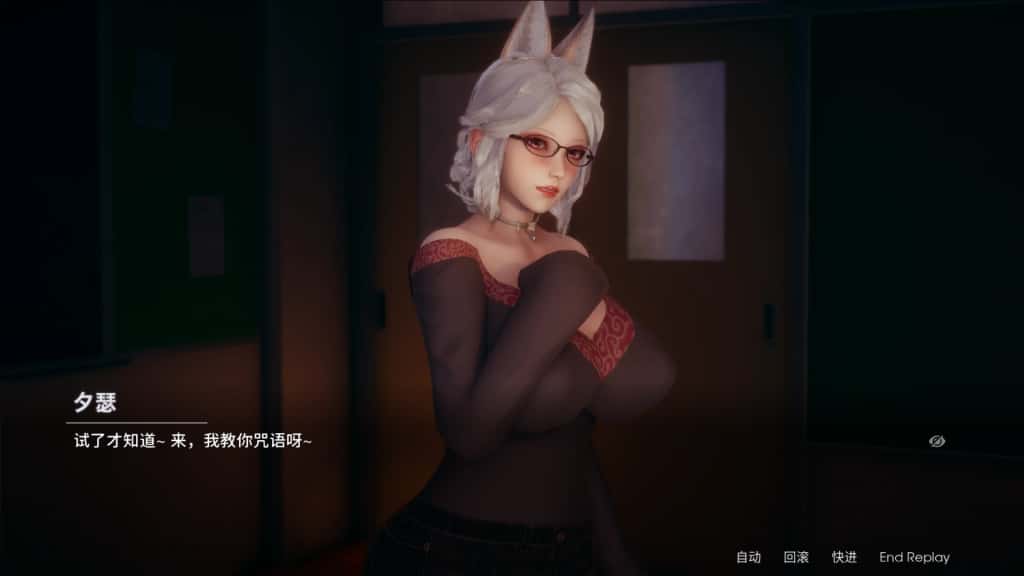
选择记录:记录你在重要剧情点的选择,这有助于理解不同选择对结局的影响。某些看似无关紧要的选择可能在后期产生重大影响。
角色平衡:如果想要达成特定结局,需要有意识地培养相关角色的好感度。但要注意,过度偏向某一方可能会错过其他有趣式的剧情分支。
结局评价系统
游戏会根据你的表现给出结局评价,包括:
道德指数:反映你的选择倾向
人士际关系:与各角色的关系状态
城市影响:你对凤凰城的影响程度
隐藏发现:找到的秘密和彩蛋数量
完美评价条件:要获得完美评价,不仅需要达成理想结局,还需要在游戏过程中展现出色的判断力和全面的探索精神。这包括发现所有隐藏内容、维持复杂的角色关系平衡,以及在关键时刻做出最优选择。
每个结局都有其独特的魅力和深度,建议玩家多次游玩以体验不同的故事件发展。记住,没有绝对的"最佳"结局,仅有最适合你游戏风格和价值观的结局。在凤凰城的世界中,每一个选择都是有意义的,每一个结局都值得体验。
📫 直接下载凤凰Phoenixes
开启你的游戏冒险之旅