
探索精彩的游戏世界
游戏故事
掌握游戏技巧
攻略指南
成为游戏高手的秘诀
游戏系统
时间系统
游戏采用真实的时间流逝系统,每天分为早晨、上午、下午、傍晚、夜晚等时段。不同时间段可以进行不同的活动,合理安排时间是游戏的重要策略。
好感度系统
与各个角色的互动会影响好感度,好感度的高低决定了能够解锁的剧情内容。通过送礼物、完成任务、日常对话等方式可以提升好感度。
金钱系统
通过打工、完成任务、出售物品等方式获得金钱。金钱可以用来购买礼物、食物、道具等各种物品。
道具系统
游戏中有各种道具可以收集和使用,包括礼物、食物、工具等。合理使用道具可以帮助你更好地推进游戏进程。
新手建议
快速上手
熟悉地图 - 首先探索整个村庄,了解各个地点的功能
建立关系 - 主动与村民对话,建立良好的人际关系
规划时间 - 合理安排每天的活动,平衡工作和休闲
收集道具 - 注意收集各种有用的道具和物品
存档管理 - 定期存档,避免重要进度丢失
⚠️ 注意事项
某些事件只在特定时间或条件下触发,要耐心等待
不同选择会导致不同的结果,建议多周目体验
保持角色的体力和心情,避免过度疲劳

定期查看任务列表,不要错过重要任务
常见问题
Q: 游戏卡顿怎么办?
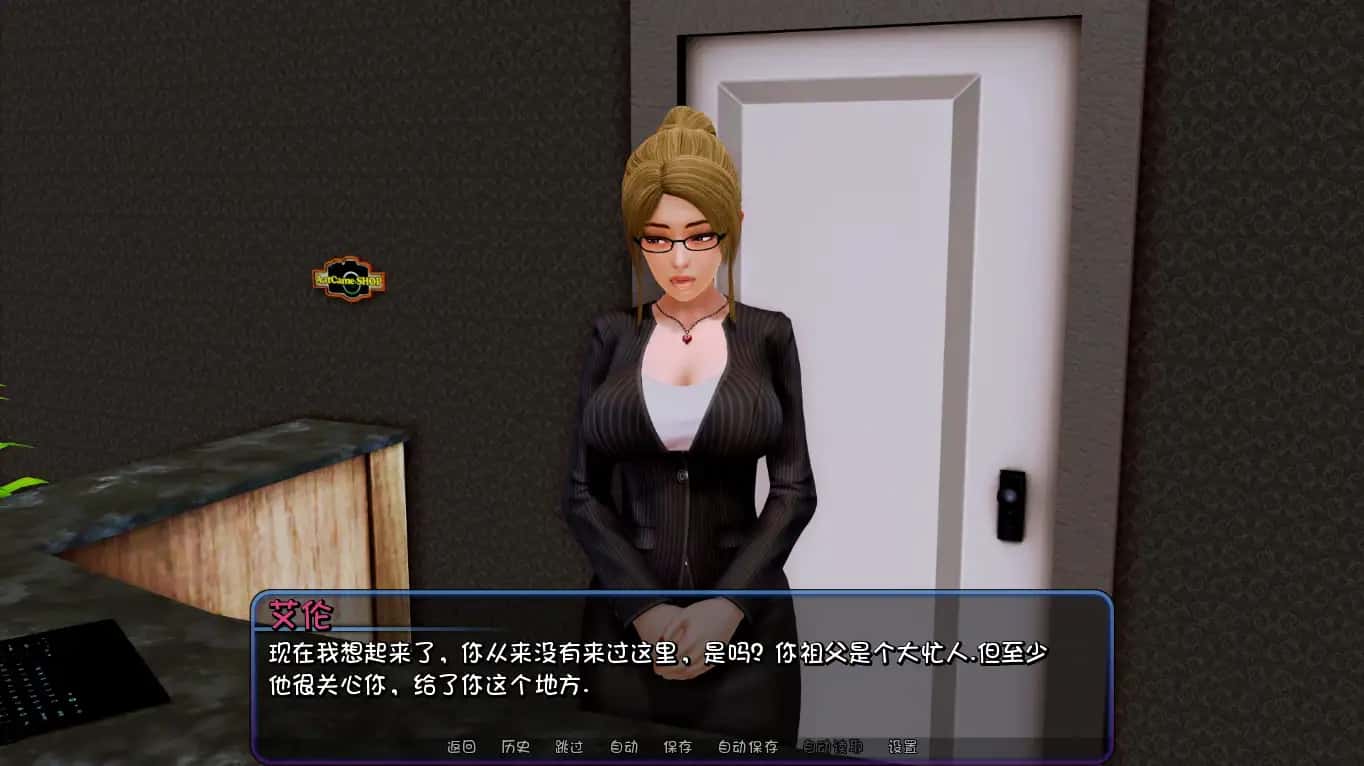
A: 尝试降低游戏画质设置,关闭不必要的后台程序,确保电脑配置满足游戏要求。
Q: 如何快速提升好感度?
A: 每天坚持与目标角色对话,送合适的礼物,完成她们的专属任务。
Q: 存档文件在哪里?
A: 通常在游戏安装目录的save文件夹中,建议定期备份重要存档。
Q: 如何解锁隐藏内容?
A: 提升角色好感度到一定程度,完成特定任务线,探索隐藏地点。
在夏日狂想曲中,与各个角色建立良好关系是游戏的核心玩法。每个角色都有独特的性格和喜好,需要采用不同的策略来提升好感度。
通用攻略技巧
每日对话 - 坚持每天与目标角色对话,了解她们的近况
礼物赠送 - 根据角色喜好选择合适的礼物
任务完成 - 积极完成角色委托的任务
时机把握 - 在合适的时间地点进行互动
选择正确 - 对话中选择符合角色性格的选项
美雪攻略 (姑姑)
角色特点
美雪是主人公的姑姑,莉音和结衣的母亲。性格温和善良,对家庭责任感很强,每天都会用心操持各种家务,是家中温暖的存在。
好感度提升方法
主动帮忙:在厨房、客厅等地方主动帮助美雪做家务
关心健康:询问她的身体状况,提醒她注意休息
赞美料理:对她做的饭菜给予真诚的赞美
倾听烦恼:耐心听她讲述家庭和工作上的困扰
关键对话选择
场景:厨房对话
美雪:"最近总是感觉很累..."
✓ 选择:"姑姑辛苦了,要不要我来帮忙?"
✗ 避免:"那就早点休息吧。"
特殊事件
购物陪伴:第3天下午陪美雪去商店购物
深夜谈心:第7天晚上在客厅的深度对话
生日惊喜:准备美雪喜欢的礼物
莉音攻略 (表姐)
角色特点
结衣的姐姐,主人公的表姐。对生活的态度十分随意,喜欢追逐流行趋势和符合潮流的衣服,是个时尚达人。
好感度提升方法
时尚话题:与她讨论最新的流行趋势和穿搭技巧
赞美品味:夸赞她的服装搭配和时尚眼光
陪伴购物:一起去商店挑选衣服和配饰
分享新鲜事:告诉她有趣的新事物和流行资讯
关键对话选择
场景:客厅对话

莉音:"这件衣服怎么样?"
✓ 选择:"很适合你,颜色搭配得很好!"
✗ 避免:"还行吧,一般般。"
特殊事件
时尚杂志:第4天和莉音一起看时尚杂志
购物陪伴:第8天陪她去商业街购物
化妆教学:让莉音教你化妆技巧
结衣攻略 (表妹)

角色特点
莉音的妹妹,主人公的表妹。性格文静内向,喜欢安静地度过时光,与活泼的姐姐形成鲜明对比。
好感度提升方法
耐心交流:温和地与她对话,不要过于急躁
学习帮助:在她学习时提供帮助和鼓励
共同阅读:和她一起看书,分享读书心得
理解支持:理解她的内向性格,给予温暖支持
关键对话选择
场景:图书馆对话
结衣:"这道题好难..."
✓ 选择:"我来帮你看看,一起想办法。"
✗ 避免:"这么简单都不会?"

特殊事件
图书馆学习:第5天下午在图书馆一起学习
读书分享:第9天晚上分享彼此喜欢的书籍
心理疏导:在她遇到困难时给予心理支持
其他重要角色
雫 (店主)
镇上粗点心店的年轻店主,经营着当地人喜爱的小店,平时喜欢在社交网站上分享生活点滴。
攻略要点:经常光顾她的店铺,购买点心并聊天
话题偏好:网络热点、美食制作、店铺经营
互动时间:下午店铺营业时间
镜 (老师)
镇上学校的体育老师,教学方式严格认真,深受学生敬畏,但内心其实是一位非常体贴温柔的好老师。
攻略要点:表现出对运动的热情和对教育的尊重
话题偏好:体育运动、学生教育、健康生活
互动时间:学校体育课时间或放学后

高级攻略技巧
多线并行
可以同时攻略多个角色,但要注意时间分配。建议优先选择1-2个主要目标,其他角色作为副线发展。
时间管理
合理安排每天的行程,确保能够与目标角色进行充分互动。记住每个角色的作息时间,在最佳时机进行接触。
礼物策略
不要盲目送礼,要根据角色的喜好和当前好感度选择合适的礼物。高价值礼物在高好感度时效果更好。
对话选择
在重要对话中,选择符合角色性格和价值观的选项。如果不确定,可以先存档再尝试不同选择。
推荐攻略顺序
第一周目 - 选择最喜欢的角色,体验单一角色结局
第二周目 - 尝试不同角色,了解各种剧情分支
第三周目 - 挑战多人结局,平衡各角色关系
第四周目 - 专注收集隐藏道具,解锁秘密结局
第五周目 - 挑战真结局,体验完美结局
隐藏要素提示
月光石位置:美雪房间(梳妆台)、莉音房间(衣柜)、结衣房间(书桌)、客厅(电视柜)、厨房(冰箱顶)、浴室(镜子后)、阁楼(旧箱子中)
隐藏道具:需要在特定条件下与环境互动才能获得
特殊事件:某些事件只在特定的日期和时间触发
对话选项:隐藏选项需要满足特定好感度才会出现
结局攻略技巧
攻略准备
多存档管理 - 在关键节点创建多个存档,方便回溯
好感度监控 - 定期查看各角色好感度,及时调整策略
任务优先级 - 优先完成影响结局的重要任务
选择记录 - 记录重要选择的结果,为后续游戏提供参考
结局选择策略
单一目标 - 如果想要特定角色结局,专注提升该角色好感度
平衡发展 - 追求多人结局需要平衡各角色关系
隐藏探索 - 隐藏结局需要大量探索和多周目游戏
完美主义 - 真结局需要完成所有内容,适合完美主义玩家
常见陷阱
过度专注单一角色,忽略其他重要关系
错过关键时间节点的重要事件
在关键选择中选择了错误选项
没有收集足够的隐藏道具或完成支线任务
开始你的冒险之旅
准备好开始游戏了吗?
点击下方按钮,免费下载完整版游戏,开始你的精彩冒险!